Corrective Jaw Surgery Cost: What to Know Before Treatment
Corrective jaw surgery is one of the most transformative procedures in oral and facial health. It improves the way you breathe, chew, speak, sleep, and live daily life. At Bend Oral Surgery, Dr. DeLisi uses advanced 3D CBCT imaging and digital surgical planning to create precise outcomes and help patients clearly understand what influences the total cost. Below is a research-backed guide breaking down the major factors that determine the price of corrective jaw surgery and why the investment often leads to life changing benefits.
1. Corrective Jaw Surgery Improves Chewing Strength and Function
Jaw misalignment goes far beyond appearance. It affects how efficiently your teeth meet, how your jaw muscles work, and even how your digestive system processes food. Research published in the Journal of Clinical Medicine found that masticatory performance returns to near-normal function after orthognathic surgery, confirming that proper jaw alignment restores critical daily function.
This improvement in chewing strength happens because the bone foundation is repositioned into a more balanced, stable relationship. When the upper and lower jaws finally meet properly, the teeth work the way they were designed to. This functional benefit is one of the most common reasons patients elect corrective jaw surgery, and the level of misalignment directly affects the cost of treatment.
2. Many Patients Need Double Jaw Surgery, Which Increases Complexity
The cost of corrective jaw surgery varies significantly depending on whether the upper jaw, lower jaw, or both need to be repositioned. A recent study on functional and aesthetic outcomes reported that a large percentage of patients require double jaw correction when both the maxilla and mandible contribute to the imbalance, which naturally increases operating time, hardware use, and total cost
Double jaw surgeries often include repositioning, leveling, and stabilizing both jaws with titanium plates and screws. Because the procedure is more extensive, these cases usually involve higher surgical facility fees, longer anesthesia time, and more detailed digital planning. At Bend Oral Surgery, 3D modeling helps us determine whether you need single or double jaw correction, giving you a clear and personalized estimate.
3. Corrective Jaw Surgery Can Significantly Improve Airway Size
Corrective jaw surgery is not just about the bite. For patients with airway obstruction or sleep-related breathing problems, jaw repositioning can dramatically expand the airway. A 2025 study using CT imaging and 3D reconstruction found a significant increase in airway volume after maxillomandibular advancement, confirming strong improvements in breathing capacity.
This breathing improvement is one of the biggest reasons insurance may consider corrective jaw surgery medically necessary. When jaw structure blocks the airway, patients often experience snoring, chronic fatigue, obstructive sleep apnea, and long-term cardiovascular strain. Documenting these issues through airway scans and sleep studies helps determine how much of the procedure insurance may cover.
4. 3D Surgical Planning Improves Accuracy and Reduces Risks
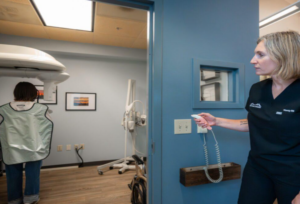
Modern corrective jaw surgery relies heavily on digital tools. At Bend Oral Surgery, Dr. DeLisi uses CBCT imaging, virtual surgical planning, and digital model simulation to map jaw movements with extreme precision. This technology allows us to rehearse the surgery before performing it, customize the movements to your anatomy, and reduce the chance of complications.
Advanced planning also minimizes small errors that used to require revision surgery. When we can see the jaw from every angle, measure bone thickness, model airway volume, and predict bite relationships, we can deliver results that are more stable and more predictable. Better planning reduces long-term costs by lowering the chances of needing secondary adjustments or unplanned interventions.
When evaluating corrective jaw surgery cost, patients should consider not only the investment but also the long-term benefits, including improved chewing strength, better breathing, balanced facial structure, and reduced jaw pain.
5. The Type of Facility and Anesthesia Required Impacts Cost
Corrective jaw surgery is performed in a surgical center or hospital under general anesthesia. The type of facility, the length of the procedure, and the anesthesia time all influence final cost. Longer cases, such as double jaw surgery, naturally have higher anesthesia fees than shorter, single jaw procedures.
Surgical hardware is also part of the total investment. Titanium plates, screws, bone grafts if needed, and splints used to guide the bite all add to the procedure cost. At Bend Oral Surgery, we explain each component of the surgical plan so you understand exactly what is included and why it is necessary.
6. Insurance Coverage Depends on Function, Not Cosmetics
While corrective jaw surgery has aesthetic benefits, most insurance companies evaluate the procedure based on functional impairment. They look for documented problems such as difficulty chewing, airway obstruction, speech limitations, or chronic TMJ discomfort. When these functional issues are proven through imaging or medical evaluations, insurance may cover a significant portion of the surgery.
Our team helps patients understand what documentation is needed for medical necessity review. We walk you through insurance guidelines, pre-treatment letters, and the evidence required to maximize potential coverage. By combining clinical expertise with clear communication, we help ensure you know exactly what to expect.
Why Patients Choose Bend Oral Surgery
Corrective jaw surgery is a major investment in long-term health, comfort, and facial balance. Dr. DeLisi brings advanced training in both oral surgery and facial reconstruction, supported by high-resolution imaging, digital planning, and years of surgical experience. Every part of your care, from diagnosis to follow-up, is handled in one coordinated environment. If you want to improve your bite, your breathing, or your overall quality of life, schedule a consultation with Bend Oral Surgery. We will help you understand your anatomy, your treatment options, and what a realistic cost looks like for your specific case.