
Wisdom Teeth Removal
Wisdom Teeth Removal Surgery in Bend, Oregon
At Bend Oral Surgery, we provide expert wisdom teeth removal to prevent future dental issues and protect your oral health. Wisdom teeth can become impacted, misaligned, or cause overcrowding, leading to pain, infection, or damage if left untreated.
Led by Dr. DeLisi, a board-certified oral and maxillofacial surgeon, our team uses advanced surgical techniques and technology for safe, effective treatment. We offer personalized care and sedation options to ensure a comfortable, stress-free experience from consultation to recovery.
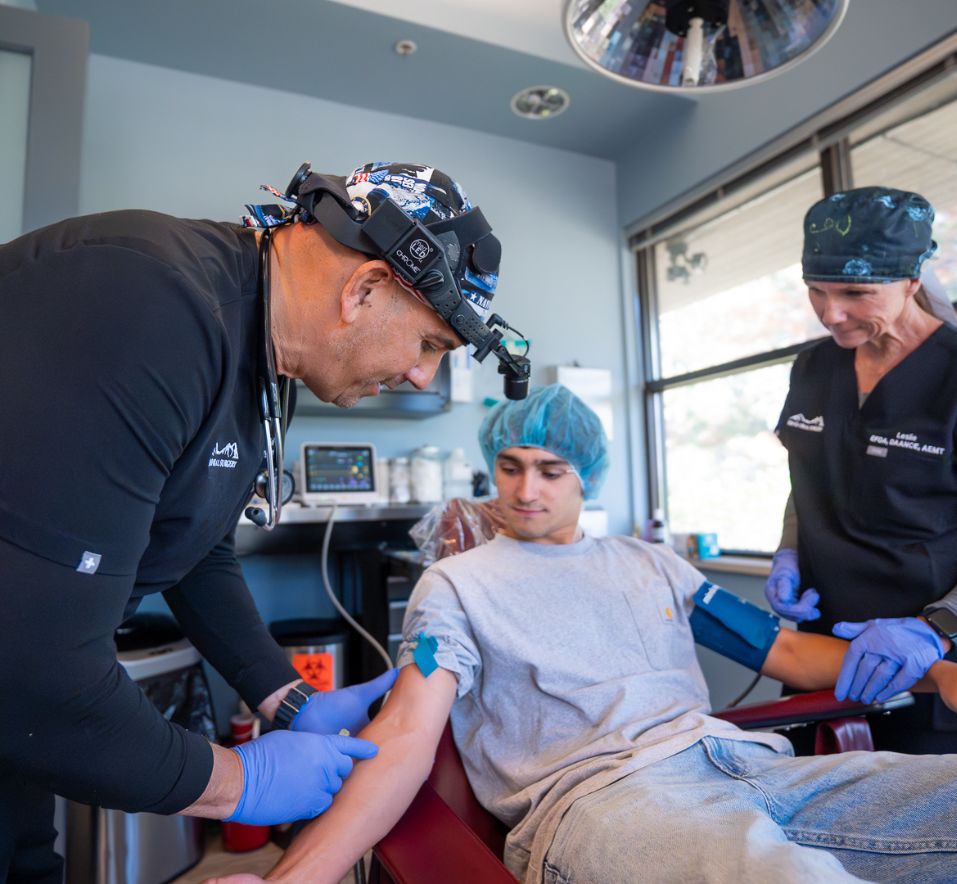
What to Expect With Wisdom Teeth Removal
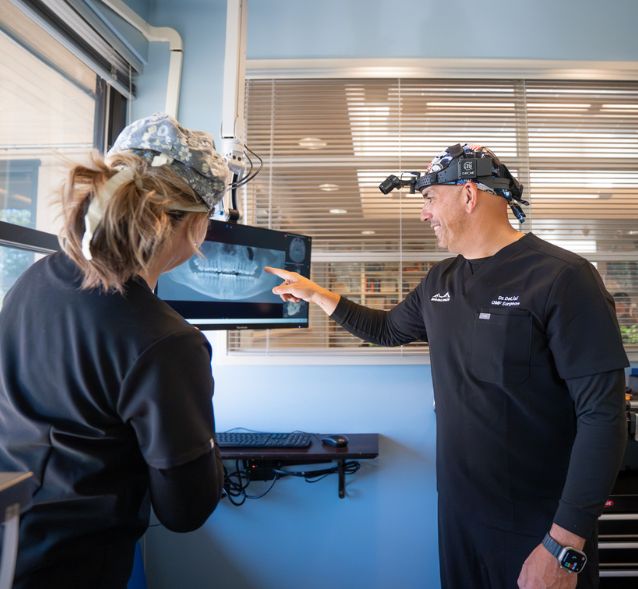
Our dental surgery process is designed to prioritize your safety, minimize discomfort, and promote a smooth recovery.
- Initial consultation and evaluation using digital x-rays or 3D CBCT imaging
- Personalized treatment plan that outlines the procedure, anesthesia options, and post-operative care
- Surgical procedure through gum incision and tooth removal taking approximately 45 minutes to an hour
- Post-surgery care and recovery including medication, limited movement and rest
- Follow up appointment to ensure proper healing
When Should You Consider Wisdom Teeth Removal?
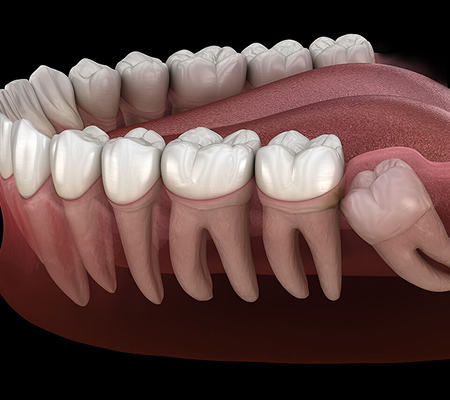
Wisdom teeth, or third molars, typically emerge between the ages of 17 and 25. If not removed, they can often cause complications including persistent pain, swollen or bleeding gums, jaw stiffness, facial swelling, and issues like bad breath, tooth crowding, or sinus problems. If left untreated, impacted wisdom teeth can lead to infections, cysts, or damage to surrounding teeth and bone.
If you’re experiencing any of these issues, a consultation with Bend Oral Surgery can help determine the best time for removal and prevent future oral health problems.
Commons Questions About Wisdom Teeth Removal
Wisdom teeth, or third molars, typically emerge between the ages of 17 and 25. In most cases, modern jaws do not have sufficient space to accommodate these additional teeth, which causes them to become impacted, meaning they are unable to fully erupt through the gumline. Impacted wisdom teeth can lead to infection, cyst formation, damage to adjacent teeth, gum inflammation, and bone loss if left untreated. Wisdom teeth removal is one of the most commonly performed oral surgery procedures at Bend Oral Surgery.
Common signs that wisdom teeth are causing problems include persistent pain or pressure in the back of the mouth, swelling or bleeding in the gums around the third molar area, jaw stiffness or difficulty opening the mouth, bad breath or a bad taste that does not resolve with brushing, facial swelling, or sinus discomfort. Even if symptoms are not yet present, routine imaging may reveal that wisdom teeth are positioned in a way that poses a future risk, making early removal the preferred course of action.
Before any procedure, Dr. DeLisi uses 3D CBCT imaging to evaluate the exact position, angulation, and root morphology of each wisdom tooth, as well as the proximity of the inferior alveolar nerve and other critical structures. This level of detail allows for precise surgical planning that reduces risk, minimizes recovery time, and helps anticipate any complexities before the procedure begins.
Most patients experience the greatest discomfort and swelling during the first two to three days following surgery, which can typically be managed with prescribed or over-the-counter pain medication and ice packs applied to the outside of the face. Soft foods such as yogurt, applesauce, and mashed potatoes are recommended for the first several days, and patients should avoid straws, smoking, and vigorous rinsing to protect the healing blood clots in the extraction sites. By the end of the first week, most patients feel significantly better and any sutures are typically removed or dissolve on their own. Full tissue healing generally takes three to four weeks, though bone remodeling in the area can continue for several months. Dr. DeLisi and the Bend Oral Surgery team provide detailed post-operative instructions and are available to address any concerns; such as signs of dry socket or infection, that may arise during the healing period.