Corrective Jaw Surgery
Corrective Jaw Surgery at Bend Oral Surgery
At Bend Oral Surgery, we specialize in corrective jaw surgery (orthognathic surgery) to improve jaw function, facial balance, and overall oral health. Whether you have a misaligned bite, difficulty chewing, breathing issues, or jaw pain, Dr. DeLisi, a board-certified oral and maxillofacial surgeon, provides expert care using advanced surgical techniques and state-of-the-art technology.
Corrective jaw surgery can enhance both function and aesthetics, addressing conditions such as underbites, overbites, open bites, and facial asymmetry. Our goal is to create a healthier, more comfortable bite while improving speech, breathing, and long-term jaw stability.
Why Consider Corrective Jaw Surgery?
- Severe Bite Misalignment (Malocclusion): Underbites, overbites, open bites, or crossbites that cannot be corrected with orthodontics alone.
- Difficulty Chewing or Speaking: Jaw misalignment can affect proper chewing and speech patterns.
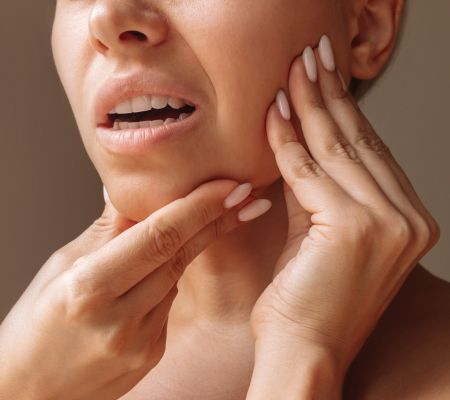
- TMJ Disorders & Chronic Jaw Pain: Surgery may help relieve tension, discomfort, and jaw joint dysfunction.
- Sleep Apnea & Breathing Problems: Jaw repositioning can improve airflow and reduce obstructive sleep apnea symptoms.
- Facial Imbalance or Asymmetry: Surgery can correct uneven jaw growth, enhancing facial aesthetics.
- Injury or Trauma Repair: Corrective jaw surgery can restore function and structure after accidents or fractures.
What is the Corrective Jaw Surgery Process?
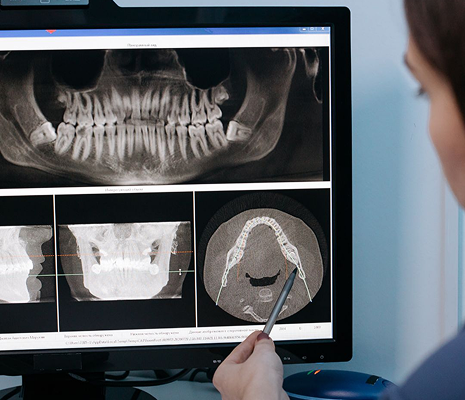
1. Consultation & 3D Imaging: Comprehensive CBCT scans and digital imaging to assess jaw alignment and structure.
2. Pre-Surgical Orthodontics (If Required): In some cases, braces or aligners are used before surgery to prepare the teeth for realignment.
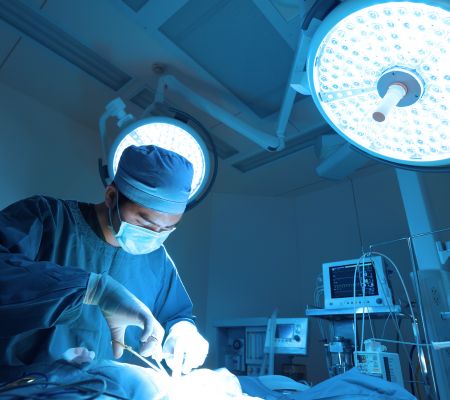
3. Jaw Surgery Procedure: The jawbone is carefully repositioned to achieve a balanced, functional bite. This is performed under general anesthesia in a surgical setting for patient comfort.
4. Recovery & Healing: Initial healing occurs within 6–8 weeks, with full bone integration over several months. Sometimes post-surgical orthodontic adjustments may be needed for optimal alignment.
5. Long-Term Benefits:
- Improved bite function, jaw stability, and facial balance.
- Relief from pain, breathing difficulties, and speech impairments.
- Enhanced confidence and quality of life.
Common Questions About Corrective Jaw Surgery
Corrective jaw surgery, also known as orthognathic surgery, is a procedure that repositions the upper jaw, lower jaw, or both to correct skeletal misalignment that affects bite function, facial balance, airway anatomy, and oral health. Patients who benefit from this procedure often have severe overbites, underbites, open bites, or crossbites that cannot be corrected through orthodontics alone, as well as individuals with jaw pain, difficulty chewing or speaking, sleep apnea related to jaw positioning, and facial asymmetry.
Corrective jaw surgery is used to address severe bite misalignment (malocclusion), difficulty chewing or speaking caused by jaw discrepancies, TMJ disorders and chronic jaw pain, obstructive sleep apnea and related breathing problems, facial imbalance or asymmetry from uneven jaw growth, and structural damage resulting from injury or fracture. Because jaw position affects so many aspects of health and appearance, this procedure often produces both functional and aesthetic improvements simultaneously.
The process begins with a comprehensive consultation that includes 3D CBCT imaging and digital surgical planning to assess jaw alignment and skeletal structure. In many cases, pre-surgical orthodontic treatment is performed to align the teeth before surgery. The jaw repositioning procedure is performed under general anesthesia, with initial healing occurring over six to eight weeks and full bone integration completing over several months. Post-surgical orthodontic adjustments may be needed to optimize the final bite alignment. Most patients can expect to return to normal daily activities within the first few weeks, though the complete healing process unfolds gradually over time. Post-surgical orthodontic adjustments may be needed to optimize the final bite alignment, meaning your care team will continue to support you well beyond the day of surgery.
Get In Touch With Us!
Why Choose Bend Oral Surgery?

Board-Certified Expertise: Dr. DeLisi is a board certified oral surgeon with extensive experience in complex jaw realignment procedures.
Advanced 3D Technology: Cutting-edge CBCT imaging and digital planning for precision surgery.
Collaborative Care: Works closely with orthodontists, dentists, and medical professionals for comprehensive treatment.
Patient-Centered Approach: Personalized care plans to ensure optimal function and aesthetics.