
Bone Grafting
Bone Grafting for Dental Implants & Jaw Restoration
At Bend Oral Surgery, we offer bone grafting to restore lost jawbone and create a strong foundation for dental implants, facial structure, and long-term oral health. If bone loss has occurred due to tooth loss, gum disease, injury, or aging, a bone graft can rebuild the jaw and make implant placement possible.
Led by Dr. DeLisi, a board-certified oral and maxillofacial surgeon, our team specializes in advanced bone grafting techniques to ensure optimal results and long-term success.
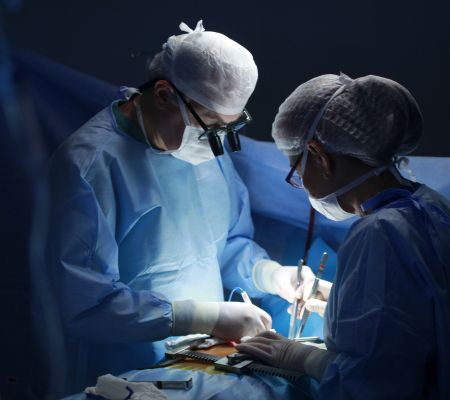
What to Expect During a Bone Grafting Procedure
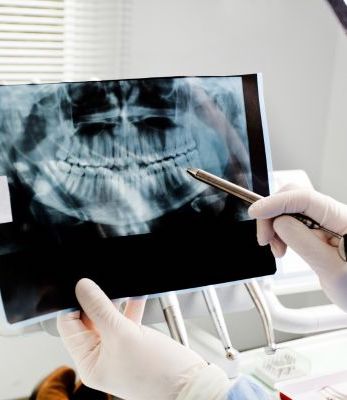
Every bone grafting procedure is tailored to your needs for the best possible outcome.
- Consultation & Imaging: We use 3D CBCT scans to evaluate bone loss and plan your treatment.
- Grafting Procedure: The bone graft material is placed in the area needing support.
- Healing & Integration: The bone graft fuses with your natural bone over several months.
- Implant Placement (If Needed): Once healed, a dental implant can be placed for a long-lasting tooth replacement.
Why Do Patients Require Bone Grafting?
Bone grafting is often necessary when there isn’t enough bone in the jaw to support dental implants or maintain facial structure. Common reasons include:
- Tooth Loss: Bone naturally deteriorates when a tooth is missing.
- Gum Disease (Periodontal Disease): Advanced infection can cause bone loss.
- Injury or Trauma: Accidents or facial fractures can lead to bone deficiencies.
- Sinus Expansion: In some cases, the upper jaw may need additional bone support for implants.
Get In Touch With Us!
Schedule a consultation today to learn how we can restore your smile and oral function.
Bone grafting is a surgical procedure that places graft material into an area of the jaw where bone volume has been lost or is insufficient to support dental implants or maintain facial structure. The graft material acts as a scaffold that stimulates the body’s natural bone-forming cells, allowing new bone to grow and integrate over several months. Bone loss in the jaw commonly results from tooth loss, gum disease, facial trauma, or the natural aging process.
Recovery from a bone graft procedure involves some swelling, discomfort, and dietary restrictions during the initial healing period. Patients are given detailed aftercare instructions, prescribed medications to manage pain and prevent infection, and scheduled for follow-up appointments to monitor healing. The grafted area requires several months to fully integrate before implant placement can proceed. This healing timeline ensures that the new bone is strong and stable enough to support long-term implant success.
Yes. Bone grafting is also used to restore bone lost following cyst or tumor removal, to repair defects resulting from maxillofacial trauma, and as part of facial reconstructive surgery to rebuild facial architecture. For patients with advanced bone loss who wear full dentures, grafting combined with implant placement provides the most functional and aesthetically stable long-term outcome. Schedule a consultation at Bend Oral Surgery to learn whether bone grafting is part of your treatment plan.