
A broken jaw from a car accident. A cheekbone fractured during a fall. A section of the face rebuilt after skin cancer removal. These situations land patients in oral and maxillofacial surgery offices like ours every week, and most have never thought about what reconstructive surgery actually involves until they need it.
Facial reconstructive surgery sits at the intersection of function and appearance. The goal isn’t just to make the face look right again. It’s to restore the ability to chew, speak, breathe, and blink without pain or compensation. That dual focus is what separates reconstructive work from purely cosmetic procedures, and it’s why the planning and recovery process looks different from what most patients expect.
What Facial Reconstructive Surgery Actually Treats
The term covers a wide range of procedures. Some of the most common reasons patients need facial reconstruction include traumatic injuries from car accidents, sports, falls, or assault that can fracture the jaw, cheekbones, orbital floor, or nasal bones; cancer removal where tumors in the jaw, palate, or facial soft tissue require excision and rebuilding; congenital conditions like cleft lip and palate; infection damage from osteomyelitis or necrotizing conditions; and revisions of failed previous surgeries.
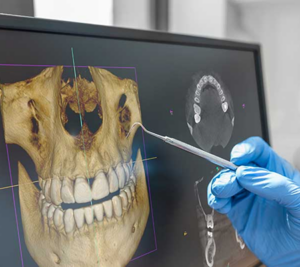
Each category brings its own planning challenges. A facial fracture from a car accident needs to be stabilized quickly, usually within the first week or two, before bones start healing in the wrong position. A cancer reconstruction often happens in the same operation as the tumor removal, which means the surgical team has to plan both phases simultaneously.
How the Planning Process Works
Before any reconstructive procedure, the surgical team builds a detailed picture of what they’re working with. High-resolution CT scans show exactly how bones are fractured or displaced, and 3D rendering software lets surgeons plan the repair before they ever pick up an instrument. Research in the Journal of Oral and Maxillofacial Surgery shows virtual surgical planning for complex facial fractures reduces operating time and improves alignment accuracy compared to traditional methods (Rana et al., 2015). Patients typically meet with the surgeon before scheduled procedures to review the plan. Emergency trauma cases don’t allow extended planning, but modern imaging makes a solid surgical approach possible even under time pressure.
What Happens During the Procedure
Most facial reconstructive surgeries happen under general anesthesia in a hospital or surgical center setting. Complexity varies enormously. A simple cheekbone fracture might take under two hours. A complex mandible reconstruction using bone from the lower leg can run eight to twelve hours because the team has to harvest donor bone, shape it to fit, and connect blood vessels under a microscope. Common techniques include rigid fixation with titanium plates and screws, local flaps that move tissue from nearby areas, and microvascular free flaps that transfer tissue from distant sites along with its blood supply.
Recovery Timelines Patients Should Expect
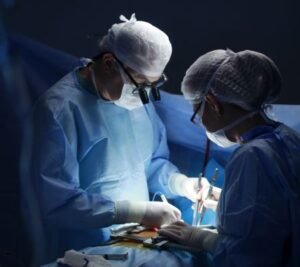
This is where expectations often don’t match reality. Patients hear “surgery on Tuesday, back to work Monday” and assume facial reconstruction follows a similar timeline. It doesn’t. The first week involves significant swelling, bruising, and limited jaw movement if the jaw was involved. Most patients are on a soft or liquid diet during this phase. By two weeks, swelling starts to go down noticeably, though some residual puffiness often lingers for a month or more.
Between weeks three and six, patients usually return to work if their job doesn’t involve physical labor or social exposure they’re not comfortable with. Bone healing continues underneath the surface during this whole period. Final bone stability typically isn’t reached until around three months post-operation, and scar maturation is the slowest part, often not reaching final appearance until twelve to eighteen months out.
Complications and What Affects Outcomes
Facial reconstructive surgery carries real risks, though the rates for common procedures are low when handled by experienced teams. Infection, nerve damage affecting sensation or movement, delayed healing, and the need for revision surgery are the main concerns. Smoking is one of the biggest modifiable risk factors. A systematic review in Plastic and Reconstructive Surgery found that smokers undergoing facial reconstruction had significantly higher rates of wound complications and flap failure compared to non-smokers (Coon et al., 2013). Other factors that affect outcomes include overall health, diabetes control, nutrition during healing, and how well patients follow post-operative instructions.
Choosing a Surgeon for Reconstructive Work
Oral and maxillofacial surgeons complete dental school followed by four to six years of hospital-based surgical training. For reconstructive procedures, experience matters – particularly with complex facial trauma, jaw reconstruction, bone grafting, and dental rehabilitation.
At Bend Oral Surgery, Dr. Delisi combines advanced surgical training with extensive experience treating complex oral and facial conditions. He works closely with restorative dentists, orthodontists, and other specialists when needed to help ensure both functional and aesthetic outcomes are carefully planned from the start. Patients considering reconstructive surgery are encouraged to ask questions about treatment planning, recovery expectations, and the surgeon’s experience with similar cases so they feel confident and informed throughout the process.
Schedule a Consult with Bend Oral Surgery Today
Facial reconstructive surgery is rarely a single event. It is a process that begins with detailed imaging and treatment planning, continues through surgery, and often involves months of healing and follow-up care. Patients who understand the timeline and recovery process ahead of time are typically better prepared for a smoother experience and long-term outcome.